


Companies with effective performance management systems are 4.2 times more likely to outperform their peers, achieving 30% higher revenue growth and 5% lower attrition rates.
These benefits paint an impressive picture, yet most organizations struggle with their performance management processes. A striking 21% of employees say their goals are set yearly and then forgotten. The situation looks bleaker as 16% never set any goals. The problem runs deeper - 46% of employees without proper performance management see performance reviews as worthless.
A clear gap exists between a performance management system's intended purpose and its actual results. Most CEOs lack confidence in their appraisal processes to identify top talent. More than half of the workforce believes their managers fail at conducting performance reviews properly.
A better approach exists. People-first employee performance management systems create an environment where culture, teamwork, and state-of-the-art ideas thrive with sustained competitive performance. Employees find themselves more productive, confident, and hopeful when they experience successful performance management processes.
This piece shows you how to create a performance management system that delivers results and engages team members in meaningful development conversations. Your organization can turn this critical business function from a yearly burden into a catalyst for success.
What is a Performance Management System?
A performance management system is essential for organizational talent development. It's more than just traditional one-time evaluations. Organizations use this structured framework to track, review, and improve employee performance in a consistent and measurable way.
Definition and core purpose
A performance management system combines technologies and methods to ensure employees match and contribute to strategic business objectives. Managers and employees work together through this cooperative framework in three key processes:
- Planning and goal setting - Employee performance matches organizational goals with meaningful work assignments
- Continuous performance monitoring - Ongoing feedback and guidance improves performance
- Evaluation and recognition - Consistent performance assessment rewards strong performers
The system does more than just rate employees. It creates an environment where people excel while taking part in overall goal-setting. Managers and employees can agree on expectations, goals, and career progress that match the company's vision.
How it differs from performance appraisals
People often mistake performance management for annual reviews. These approaches are completely different:
Performance management works as a continuous, forward-looking process throughout the year with regular check-ins, goal updates, feedback sessions, and coaching conversations. Annual performance appraisals happen once a year and only look at past performance.
The system focuses on proactive development instead of looking back to fix problems. Results get measured constantly while strategies form for employee growth. Traditional appraisals mainly evaluate past achievements without much focus on future growth.
Performance management encourages two-way communication between employees and managers. Open dialog builds trust and stops misunderstandings before they become bigger problems. Standard appraisals usually provide one-way feedback with limited input from employees.
Benefits of performance management system
Organizations that use strong performance management systems see many benefits:
Increased workforce productivity - Clear and consistent systems boost overall productivity as employees invest more in their work. Companies that focus on employee performance are 4.2 times more likely to outperform their peers.
Improved employee engagement and retention - Employee turnover drops while revenue per employee grows. Career planning through performance management reduces an employee's chance of leaving within 12-18 months by 29-40%.
Enhanced communication and clarity - Regular check-ins help improve manager-employee communication and encourage cooperation across the organization. Employees understand their expectations, goals, and deliverables clearly.
Data-driven decision making - These systems provide valuable insights for human capital management decisions. Star performers get identified, workforce strengths become clear, development needs surface, talent potential emerges, and attrition becomes predictable.
Targeted employee development - Succession planning becomes easier by identifying needed skills and directing learning resources effectively. Employees can map their development paths and learn new skills instead of just getting evaluated.
Cloud-based performance management software adds more benefits. Organizations get more data storage, better security, and smoother integration with learning and development systems.
Laying the Foundation: Planning and Goal Setting
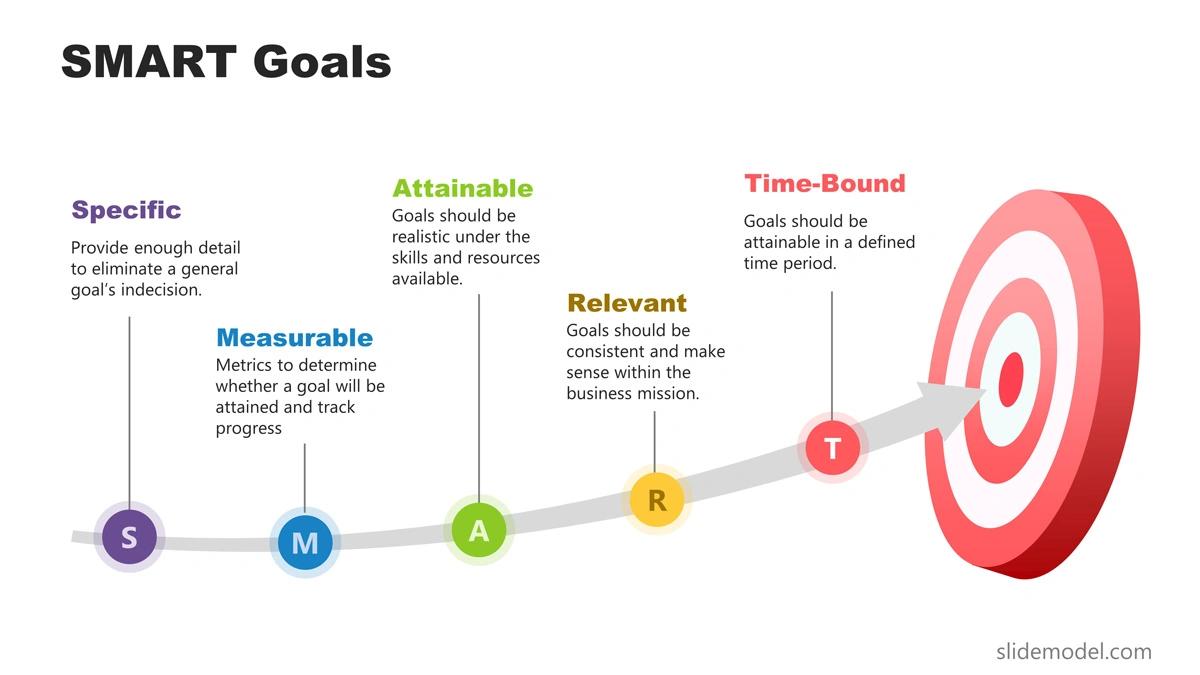
Image Source: SlideModel
Performance management starts with smart planning and clear goal setting. Your entire performance management system builds on this simple foundation. Research shows 72% of employees cite goal setting as a strong motivator for performance. Let's look at how to build this vital foundation.
Set SMART goals that line up with business objectives
The SMART framework gives you a simple way to set goals that drive measurable results. This 42-year-old methodology will give a clear path to make goals Specific, Measurable, Achievable, Relevant, and Time-bound.
The SMART goals in your performance management process should include:
- Specific – Clear descriptions of desired outcomes that eliminate confusion and provide focus
- Measurable – Goals you can quantify to track progress and show success
- Achievable – Stretch goals that remain within reach with available resources and support
- Relevant – Direct connections to departmental objectives and organizational mission
- Time-bound – Clear timeframes with milestone dates for larger goals
Companies that line up employee goals with strategy boost employee performance by up to 22%. Your goal-setting process should connect individual contributions to broader business objectives. This helps employees see the bigger picture and find more meaning in their work.
Define clear performance expectations
Performance expectations mean more than simple job descriptions. They set complete standards for employee performance and success measurement. These expectations should cover:
- What goods or services the role produces
- The work's effect on the organization
- Employee interactions with clients, colleagues, and supervisors
- Organizational values employees must show
- Methods and processes employees should use
Focus on objectives rather than activities when defining expectations. Clear objectives and key results show employees their path to success. Set specific deadlines so employees know exactly what they need to do and when.
Companies that communicate expectations clearly see lower turnover rates and better workplace accountability. Regular check-ins about performance expectations help maintain standards and prepare employees for success throughout the year.
Get employees involved in the planning process
People commit more when they participate. Employee involvement in goal setting boosts ownership, motivation, and connection to strategic objectives. Performance management works best as a two-way process where managers and employees set targets together.
Studies show that employees who help set their own goals feel more invested and responsible for achieving them. This shared approach helps them grasp the "why" behind each objective and commit more deeply to success.
You can get employees involved by:
- Learning about their career aspirations and growth targets
- Getting to know their strengths, weaknesses, and core interests
- Gathering their input through surveys, focus groups, or direct conversations
- Supporting team collaboration in goal calibration sessions
Companies that make use of both individual and team goals see stronger motivation, with 44% of employees saying this balance drives their performance. This inclusive approach creates a workplace where people feel valued and dedicate themselves to achieving organizational goals.
Note that performance planning marks just the first step in an effective performance management system. The goals and expectations you set now guide all future activities throughout the performance cycle.
Building the System: Key Components to Include
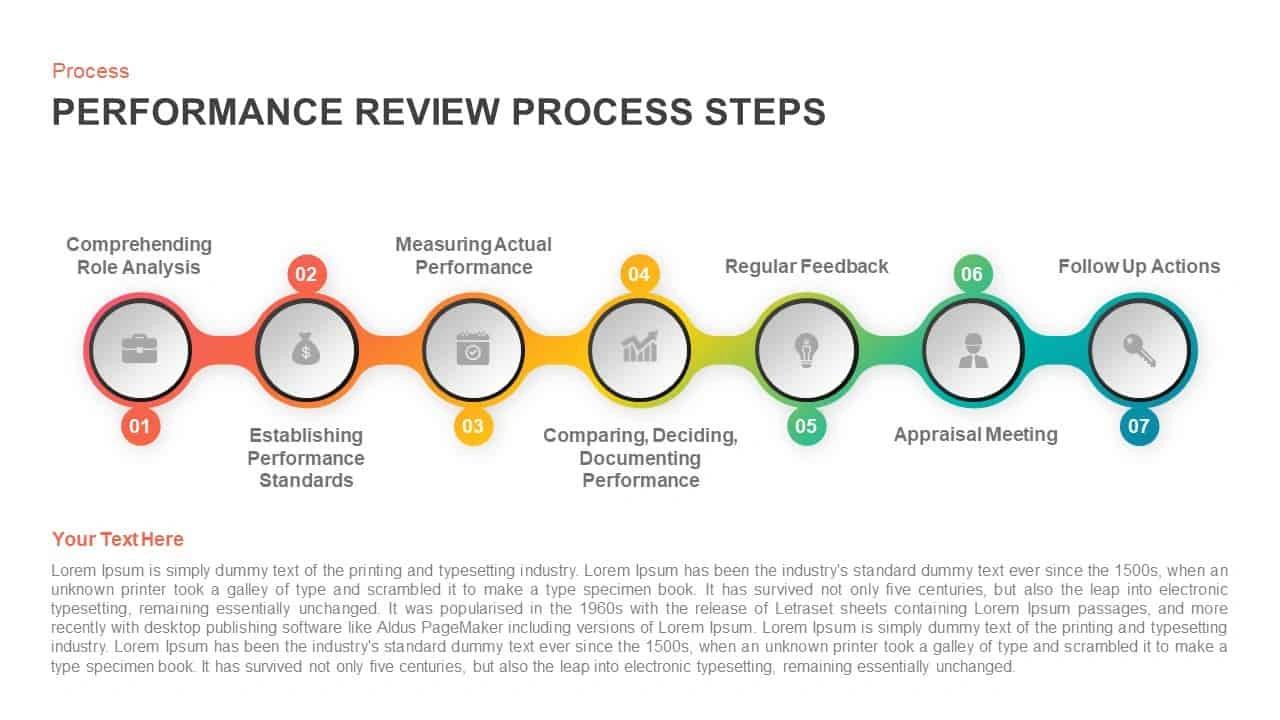
Image Source: SlideBazaar
Building an effective performance management system needs more than just goal setting. Companies need ongoing processes to monitor, review, and develop employee capabilities throughout the year. The best systems use multiple touchpoints that work together to give a detailed approach to performance improvement.
Ongoing feedback and check-ins
Regular monitoring marks a big change from yearly evaluations. Modern performance management focuses on continuous, up-to-the-minute input that solves problems as they develop. Managers can spot unacceptable performance at any time during the appraisal period and help right away.
Regular monitoring brings several key benefits:
- Problems get fixed before they become serious
- Standards can be adjusted quickly when needed
- Employees get guidance at the right time
- Both wins and areas to improve get attention fast
Research shows that 77% of employees who receive continuous feedback feel more motivated by their company's performance management system. Monthly check-ins let managers and employees discuss progress, tackle challenges, and adjust short-term goals.
Structured performance reviews
Regular feedback is vital, but formal evaluations still play key roles. Today's performance reviews are quite different from old approaches. They focus more on:
- Two-way discussions instead of top-down assessments
- Future growth plans rather than just past performance
- Results and actions instead of personal opinions
- Team impact along with individual achievements
The rating of record follows the organization's appraisal program and sums up employee performance over the full period. These formal evaluations affect various personnel decisions, including within-grade pay increases and retention service credit determinations.
Technology solutions can speed up the review process. They cut down on paperwork and provide useful analysis. Organizations benefit from both ongoing talks and structured evaluation points.
Use of measurable criteria and rating scales
Performance rating scales create a standard framework. They make sure all employees are measured using similar criteria, which promotes fairness. They also help set clear expectations about performance and behavior.
Good rating scales should have these key features:
- Clear descriptions that avoid confusion
- Even steps between levels
- Example behaviors that show each level
- Equal coverage of good and poor performance
- A middle point for average performance
Organizations use different scale types—numeric, Likert, or custom scales—based on their needs. The most important thing is creating scales that match company culture, brand, and business goals.
Incorporating 360-degree feedback
360-degree feedback (also called multi-source or multi-rater feedback) collects input from many viewpoints, including supervisors, peers, direct reports, and sometimes customers. This method shows employee effectiveness beyond what one manager might see.
Accenture tried this approach and saw their employee engagement scores jump by 25%. Adobe moved to continuous performance feedback and cut voluntary turnover by 30%.
Here's how to use 360-degree feedback well:
- Look at behaviors and actions, not personality traits
- Pick reviewers who work directly with the employee
- Keep feedback anonymous and constructive
- Set clear goals for the feedback process
- Train people to give and receive feedback effectively
360-degree feedback works best as a development tool rather than a performance measure. It helps employees understand how their actions affect different groups. Companies should use it to develop skills and find areas to improve, not to decide pay or promotions.
These four components create a strong performance management framework. They balance structure with flexibility and give employees the ongoing support they need to succeed.
Making It Work: Tools and Technology
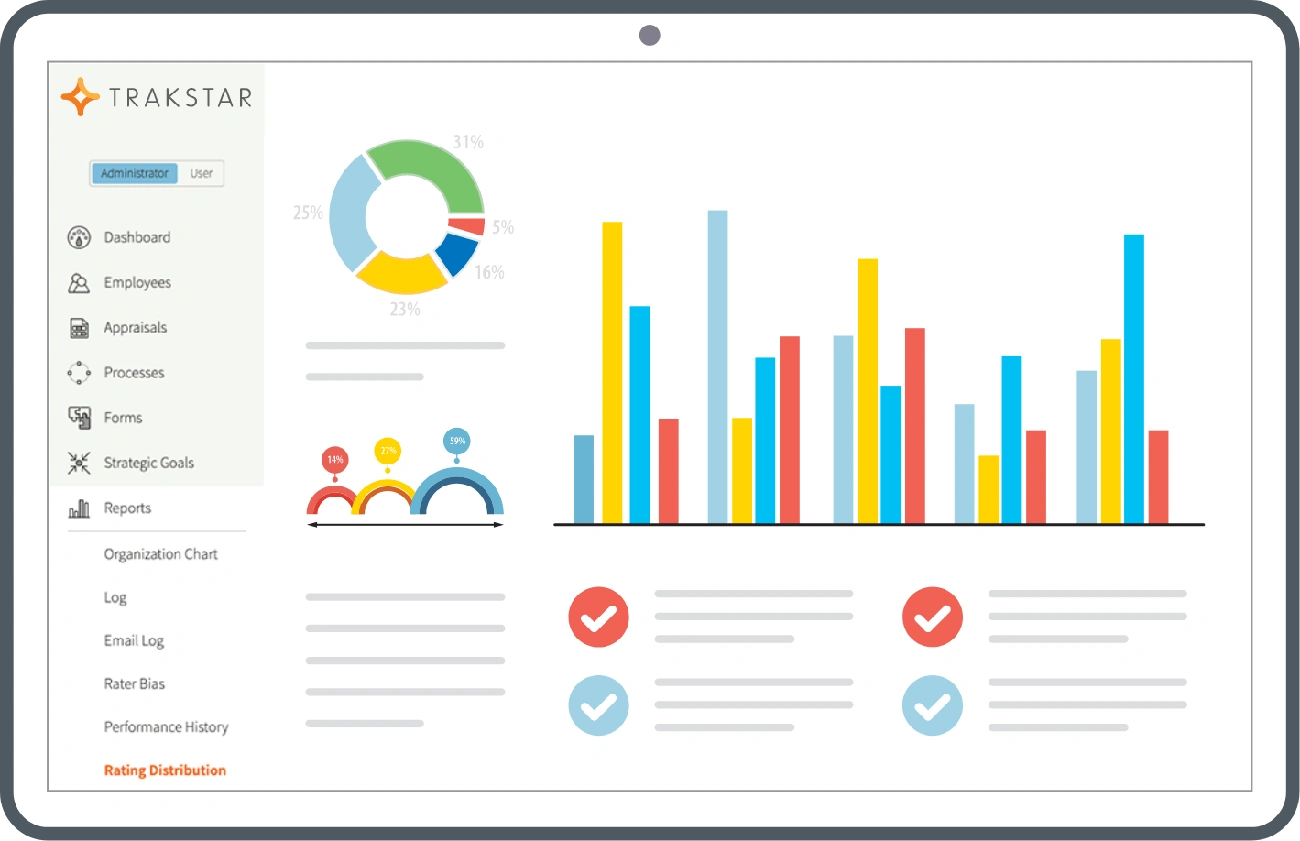
Image Source: SelectSoftware Reviews
Technology is the backbone of successful performance management systems in 2024. Nearly half of executives find traditional performance management processes don't work. The right tools can transform this vital function from an administrative burden into a strategic advantage.
Choosing the right performance management software
Your organizational needs should guide the selection of performance management software. The best solutions provide:
- Customizable review templates and workflows that match your specific requirements
- Immediate feedback capabilities that help ongoing communication
- Goal-setting features that link individual objectives to broader business strategies
- Accessible interfaces that boost adoption at every level
The software should integrate with your existing HR ecosystem. BambooHR, Lattice, and PerformYard are leading platforms that offer complete features to streamline core processes. To name just one example, BambooHR focuses on employee development through goal-setting tools and feedback features that give workers the ability to manage their performance objectively.
Your organization's size, culture, and specific performance management philosophy determine the right software choice. The platform should scale with your growth and support different review methods—from annual cycles to continuous feedback approaches.
Using AI and analytics for better insights
Artificial intelligence has changed the game in performance management. AI algorithms process vast employee data and spot patterns human observers might miss. This leads to fair, evidence-based decisions about promotions, succession planning, and development initiatives.
AI-powered systems bring several key advantages:
- They cut bias by standardizing evaluation criteria and flagging potential prejudice in reviews
- They spot high and low performers through predictive analytics
- They create complete feedback by combining data from multiple sources
- They suggest personalized development based on individual performance patterns
AI tools build a culture of continuous improvement. They prompt managers to give regular feedback and act as virtual coaches. The impact shows: 35% of managers now use AI capabilities to improve their performance discussions.
Automating review cycles and goal tracking
Automation has changed how organizations handle performance reviews. It removes administrative tasks that bog down HR departments and managers.
Automated performance management systems make these processes simple:
- They schedule and distribute review materials at set times
- They gather and organize feedback from multiple stakeholders
- They send reminders to complete evaluation tasks
- They track progress toward individual and team goals
The benefits go beyond saving time. Organizations with automated systems see a 60% reduction in review cycle time and have better quality conversations. Automated goal tracking shows performance in real time, so teams can adjust course quickly instead of waiting for formal reviews.
Deloitte's research shows that simpler performance management through automation makes managers and employees more likely to embrace the process. Companies that use automation see 2.5× faster goal alignment and over 30% more completed employee development plans.
Creating a Fair and Engaging Process
People remain at the heart of any successful performance management system. Fair and involving processes enable employees to own their professional development with objective evaluation practices.
Encouraging employee self-assessments
Self-assessments turn employees from passive feedback receivers into active participants in their growth experience. Studies show that employee satisfaction with outcomes increases when they take part in performance management processes. This team-based approach offers several benefits. It builds self-confidence, promotes accountability, and creates ownership of professional development.
You can put in place effective self-assessments by:
- Providing clear guidelines and structured templates
- Setting aside dedicated reflection time
- Adding assessments to the broader performance framework
- Making use of technology to streamline the process
Self-evaluation serves as more than just paperwork. It helps each worker reflect on their overall performance and creates better involvement. Employees who contribute to performance discussions know their voices matter, which increases their commitment to organizational goals.
Training managers to give effective feedback
Untrained managers affect workplace dynamics by a lot. A striking 82% of UK managers have no formal leadership training. This gap explains why only 45% of managers work effectively at coaching and development.
Effective feedback training should focus on:
Note that feedback must flow continuously—65% of employees want more feedback than they get now. Companies that actively seek and use feedback see 14.9% lower turnover rates. Managers need training in emotional intelligence, active listening, and unconscious bias awareness among other feedback techniques.
Practice sessions prove especially valuable. Managers can practice giving feedback in controlled environments. Once skilled, they can make feedback part of their daily routines, turning it into a natural element of team culture.
Avoiding bias and ensuring consistency
Unchecked biases weaken perceptions of objectivity and fairness. This negatively affects employee productivity, involvement, and well-being. About 68% of respondents said bias hurt their productivity, while 70% reported it damaged their workplace involvement.
These steps promote fairness:
- Put in place standardized evaluation methodology and criteria
- Hold calibration sessions to ensure rating consistency
- Look at context when evaluating performance
- Get feedback from multiple sources
Fairness ranks as the most important factor in employee experience for 55% of workers. Companies must take proactive steps. Employees who receive fair evaluations feel valued, involved, and motivated to excel.
Following Through: Development and Action Plans
Performance management becomes a powerful tool for organizational growth with proper follow-through. The completion of evaluations leads to practical plans that convert insights into measurable improvements.
Creating customized growth roadmaps
Each employee needs a development plan that matches their unique strengths, skill gaps, and career goals. Here's how to build effective roadmaps:
- Employees should start with self-reflection exercises to identify their strengths, growth areas, and long-term career goals
- The "three E's" framework—experience, exposure, and education—helps translate goals into practical steps
- One growth area should be prioritized at a time with realistic milestones that fit defined timeframes
Good growth plans match individual priorities with business needs. These plans connect development activities to measurable business outcomes.
Linking performance to rewards and recognition
Employee motivation and involvement naturally increase when performance links to meaningful rewards. Companies using performance-linked reward systems see better productivity, stronger retention rates, and improved business goal alignment.
The system works best when you:
- Set clear performance criteria with fair standards that reward excellence
- Build formal recognition programs that celebrate personal and company achievements
- Give rewards that reflect both individual and team success
This method changes compensation from paperwork into a strategic tool that encourages accountability and continuous improvement.
Scheduling follow-ups and tracking progress
Development needs consistent monitoring and adjustment. Regular check-ins—weekly, monthly, or quarterly—help assess progress, give feedback, and adjust growth goals as needed.
Key performance metrics include:
- Training completion rates
- Skill assessment improvements
- Time-to-competency
- Program participation rates
Research shows employees who get daily feedback from managers are three times more likely to be engaged than those receiving annual feedback. Regular follow-ups help create development strategies that stay relevant and motivating throughout the employee's growth.
Conclusion
A well-planned performance management system needs careful planning, steady execution, and real commitment to help employees grow. This piece explores how good performance management extends beyond yearly reviews. It becomes an ongoing, shared process that stimulates both personal growth and company success.
Organizations with resilient performance management systems gain clear competitive edges. Their benefits include higher efficiency, lower turnover, better staff participation, and analytical decision making. Companies that run these systems well outperform others and create spaces where talent runs on success.
Research shows success depends on key elements working as one unit. Smart goals must line up with business targets. Regular feedback works better than occasional reviews. Technology helps streamline processes and offers valuable insights. Managers need proper training to give constructive feedback.
Note that performance management should strengthen employees rather than just assess them. Team members who help set goals, review themselves, and plan growth become invested in their progress. Fair and steady evaluation builds trust across the company.
Building an effective performance management system takes work, but it pays off well. These strategies create an environment where feedback comes naturally and growth never stops. Both people and the company thrive because of it.
You now have the tools to turn your performance management from a yearly task into a force that drives excellence. Begin with small steps if you need to, but make a start today - your company's future depends on it.
Key Takeaways
Building an effective performance management system requires moving beyond annual reviews to create a continuous, collaborative process that drives both individual growth and organizational success.
• Set SMART goals aligned with business objectives - Companies that effectively align employee goals with strategy boost performance by 22% and see 30% higher revenue growth.
• Implement continuous feedback loops - 77% of employees receiving ongoing feedback report higher motivation, while daily feedback makes employees 3x more likely to be engaged.
• Leverage technology and automation - AI-powered systems reduce review cycle time by 60% while eliminating bias and providing data-driven insights for better decision-making.
• Train managers in effective feedback delivery - Only 45% of managers are rated effective at coaching, yet proper training creates environments where development happens naturally.
• Create personalized development plans with follow-through - Link performance to meaningful rewards and schedule regular check-ins to transform assessments into actionable growth roadmaps.
When implemented correctly, these systems create a culture where feedback flows naturally, development happens continuously, and organizations are 4.2 times more likely to outperform their peers while reducing turnover by up to 30%.