


75% of SMBs have adopted some form of AI in their recruitment processes in 2026, a figure that has risen sharply as AI tools have become affordable and accessible at small business scale. SMB AI adoption in the US more than tripled from 14% in 2023 to 55% in 2025 — a pace of adoption that reflects how urgently small businesses are looking for ways to compete for talent without large HR teams or enterprise recruitment budgets.
AI recruitment technology helps small and medium businesses overcome their hiring challenges. SMB AI adoption in the US more than tripled from 14% in 2023 to 55% in 2025 — the fastest adoption curve of any technology category in the SMB segment. AI recruitment is no longer an enterprise-only capability. It is now the baseline competitive requirement for any SMB hiring in a talent market where top candidates disappear within 10 days. These numbers show how businesses of all sizes benefit from these solutions.
AI recruitment tools make hiring measurably more effective for SMBs. Companies that use structured AI interviews see up to 30% more consistent candidate scoring. Many businesses cut their manual hiring work by 30% with just a few AI tools.
Recruiters save 50-70% of their time. Hiring cycles become 30-40% shorter. Companies find better-fit candidates who stay longer. AI recruitment software analyzes resumes faster to find skills and qualifications that match your job requirements.
This guide covers why traditional hiring fails SMBs, how AI interviews solve the core problems, and how to implement AI recruitment tools in stages without disrupting your existing process. You'll learn why traditional methods limit your growth and practical ways to implement AI recruitment solutions for better results.
Why SMBs Struggle with Traditional Hiring

Image Source: Business.com
Small businesses struggle with hiring challenges that affect their growth and daily operations. Business owners handle every part of the hiring process - about 90% of them do it all themselves. They spend around 7 hours each week just on interviews, not counting the time they need to search, check, and reach out to potential hires.
The costs add up quickly too. SMBs typically spend between $3,000 and $5,000 to hire the right person — and when a hire doesn't work out, replacement costs run 50–200% of annual salary. The process takes its toll - half of these businesses need a month to make a hire, and 40% take two months. This long wait creates real problems since each SMB employee's role is crucial and hard to cover.
These businesses don't deal very well with limited resources. Large companies have whole teams for recruiting, but SMBs usually rely on just one person to handle all HR tasks. That person ends up spending 78% of their hiring time on paperwork instead of actually evaluating candidates.
Competition makes things even harder. Half of SMB hiring managers say meeting salary demands is their toughest challenge. Big companies with well-known brands and complete benefits packages often win the race for top talent.
Quality candidates are hard to find - 88% of SMBs can barely find qualified applicants for their openings. Random interview methods and no clear way to evaluate candidates lead to bad hires and people leaving.
These interconnected problems compound each other — slow processes lose candidates, poor evaluation methods produce bad hires, and bad hires restart the cycle
How AI Interviews Solve Key Hiring Problems
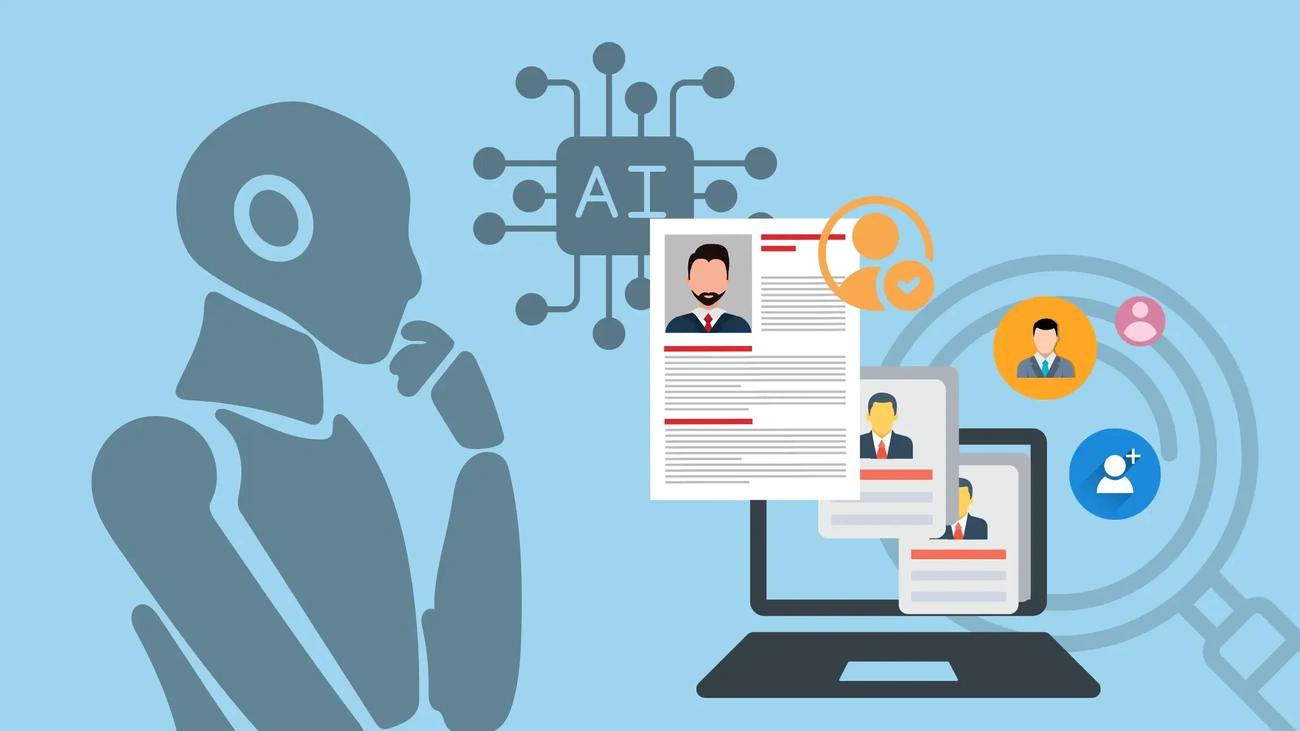
Image Source: Vanessa Raath
AI interviews are transforming how small and medium businesses handle their recruitment by solving the main problems of traditional hiring methods. These tools can cut down hiring timelines significantly. Some businesses have reduced their hiring process from 12 days to just 4 days. Small businesses can now compete for talent without needing large HR teams.
AI recruitment technology shines brightest with its asynchronous interview capability. Job candidates can record their answers whenever they want. This eliminates any scheduling issues and timezone differences. Your talent pool grows as you can reach candidates from anywhere in the world.
The standardized evaluation in AI recruitment platforms helps remove bias. Each candidate answers similar questions and faces the same assessment criteria. This creates a level playing field for everyone. The results speak for themselves - 92% of companies have seen benefits after using AI in their hiring.
AI interviews make the candidate's experience better through quick responses and tailored communication. Companies have seen application completion rates jump from 50% to 85% with AI assistants. These tools help keep candidates interested throughout their application journey.
Small businesses with limited resources benefit greatly from AI recruitment tools' automation capabilities. Recruiters usually spend 78% of their time on paperwork. AI handles these administrative tasks automatically, which lets recruiters focus on what matters - evaluating candidates properly.
Making the Most of AI Recruitment Tools
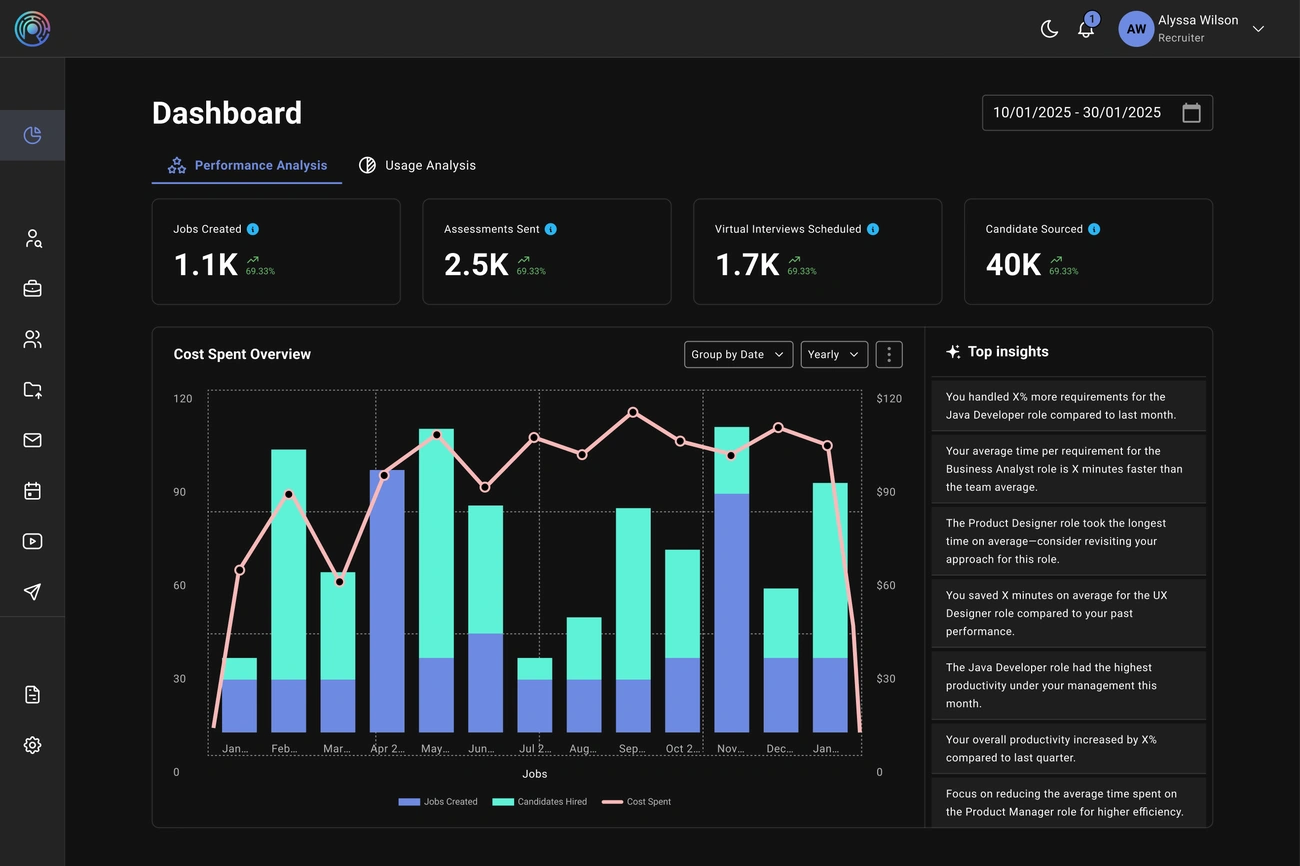
Image Source: Reccopilot
The successful implementation of AI recruitment tools starts with identifying your most time-consuming hiring tasks. Recruiters spend up to 40% of their time screening resumes, which makes this process the ideal starting point for automation.
AI recruitment software brings positive ROI to most SMBs within 3-6 months. You don't need to revamp your entire process right away. A single department or role can serve as your testing ground. Run AI interviews along with traditional methods and analyze the metrics before expanding further.
Companies that use AI-powered video interviews have reported remarkable financial gains:
- 67% reduction in hiring costs
- 40-60% shorter time-to-hire
- 30% overall cost savings
- 5x more candidates screened per recruiter
AI recruitment tools do more than cut costs. They learn about each candidate's communication clarity, problem-solving abilities, and soft skills. These analytical insights help identify traits that associate with top performers over time.
The newest trend in 2026 is agentic AI — systems that don't just track applicants but act on your behalf: sourcing candidates, scheduling follow-ups, and managing pipeline stages autonomously without a recruiter triggering each step. For SMBs with single-person HR functions, agentic AI is the most significant development in recruitment technology because it multiplies recruiter capacity without adding headcount. Scalability matters too - pick tools that grow alongside your business's hiring demands. This step-by-step approach proves ROI to leadership and helps teams become comfortable with the technology.
How SkillSauce delivers AI recruitment for SMBs
SkillSauce is built for exactly the SMB hiring challenge this guide describes — delivering enterprise-level structured assessment and AI interview capability without enterprise-level complexity or cost.
SMBs using AI tools cut screening times by 70% according to Gartner's 2025 efficiency report. SkillSauce achieves this through role-specific skill assessments across 338 job profiles, TESSA AI-powered interviews that evaluate candidates asynchronously, and integrated AI proctoring that ensures assessment integrity — all in a single platform that doesn't require a dedicated HR team to operate. Kus Calculator
For SMBs competing for the same candidates as larger employers, the combination of structured assessment and AI interviews levels the evaluation playing field — giving objective, comparable candidate data without the recruiter hours that manual interviewing requires.
Conclusion
AI interview technology has revolutionized how small and medium businesses hire talent, especially when traditional methods don't work well. These tools tackle the biggest hurdles SMBs face daily - time constraints, limited resources, and tough competition for top candidates. The numbers tell a compelling story: businesses cut hiring costs by 67%, slash time-to-hire by 40-60%, and each recruiter can screen five times more candidates.
SMBs need a strategic, step-by-step plan to make AI recruitment solutions work. The best approach starts with automating your most time-consuming hiring tasks. This helps prove the return on investment while teams become comfortable with the new technology. Remember, AI's role isn't replacing human decisions - it helps make better choices through informed insights and handles repetitive administrative work.
Businesses that adapt quickly and make smart hiring decisions will lead tomorrow's market. AI interviews give SMBs the competitive edge they need in today's talent landscape. This technology levels the recruitment playing field, so smaller organizations can build outstanding teams without large HR departments or expensive budgets. Every business deserves great talent, and AI recruitment might be the quickest way to find it.
Key Takeaways
AI interviews are revolutionizing how small and medium businesses compete for talent by automating time-consuming tasks and creating fairer, more efficient hiring processes.
• AI interviews reduce hiring costs by 67% and cut time-to-hire by 40-60%, allowing SMBs to compete with larger companies despite limited HR resources.
• Start small with one department or role to demonstrate ROI within 3-6 months before scaling AI recruitment tools across your entire organization.
• Asynchronous AI interviews eliminate scheduling conflicts and expand your talent pool globally while providing consistent, bias-free candidate evaluation.
• Automate resume screening first since recruiters spend 40% of their time on this task, then gradually expand to other hiring processes for maximum impact.
• AI tools generate valuable hiring data insights that help identify which candidate traits correlate with top performers, improving long-term hiring decisions.
The key to success lies in taking a phased approach—implementing AI recruitment gradually while measuring results. This allows SMBs to build internal confidence with the technology while demonstrating clear value to leadership through reduced costs and improved hiring outcomes.