Introduction
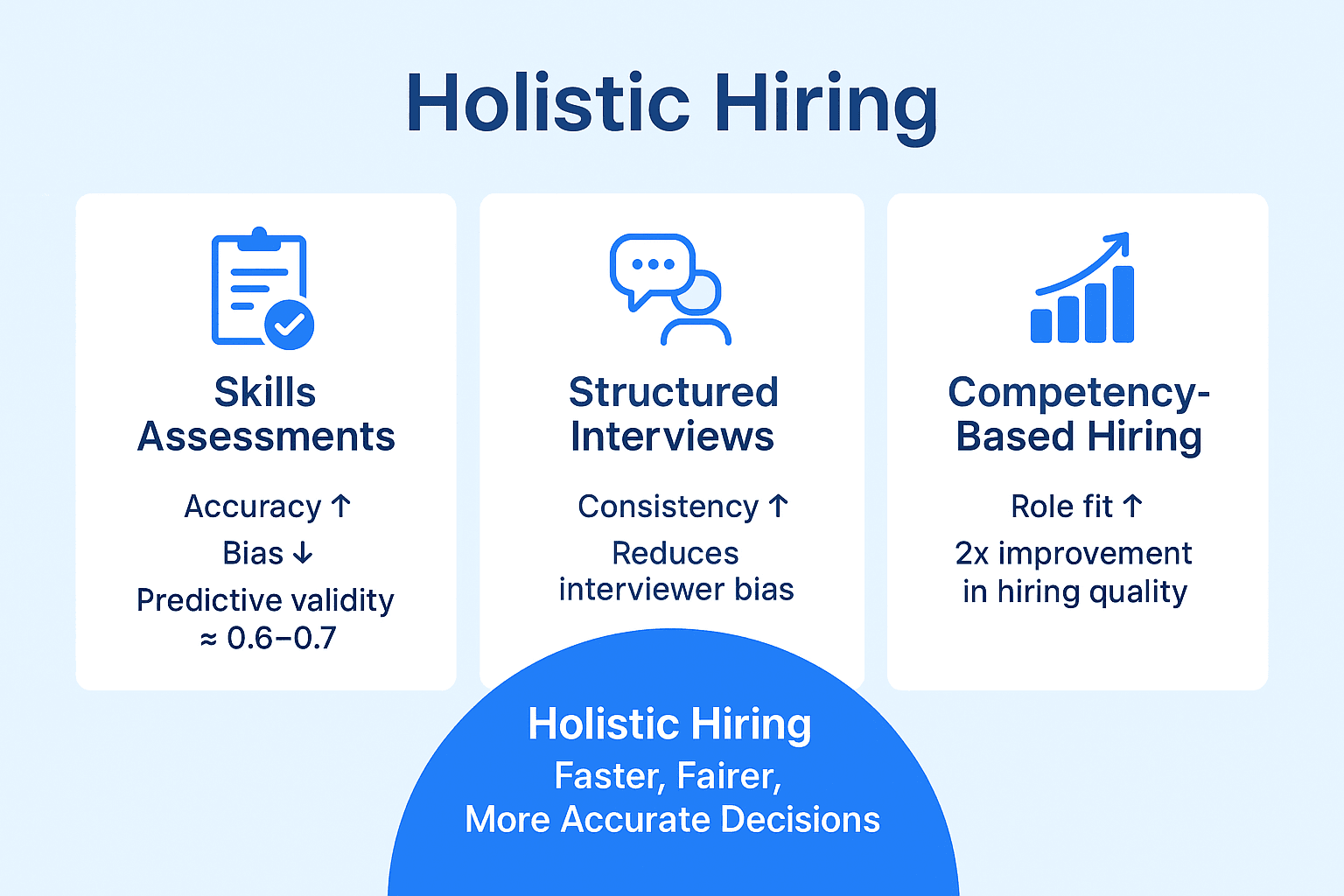
Here's a surprising stat: 78% of HR professionals say talent assessments help them make better hiring decisions.
These days, hiring a single employee costs around $4,700 and takes up to 36 days. HR leaders face constant pressure to build great teams without breaking the bank. The challenge is real.
Traditional hiring methods just don't cut it when it comes to predicting job performance and cultural fit. A complete talent assessment framework changes everything. Companies that use standardized review methods see substantially less bias in their hiring process. They also get better productivity and keep their employees longer.
This piece will show you how to create a talent assessment strategy that works. We'll cover everything from skills-based tests to personality assessments. On top of that, you'll learn how the Talent Assessment and Development (TAD) framework's 10 dimensions can help you look at both internal and external candidates through the same lens.
What is a Talent Assessment Framework?
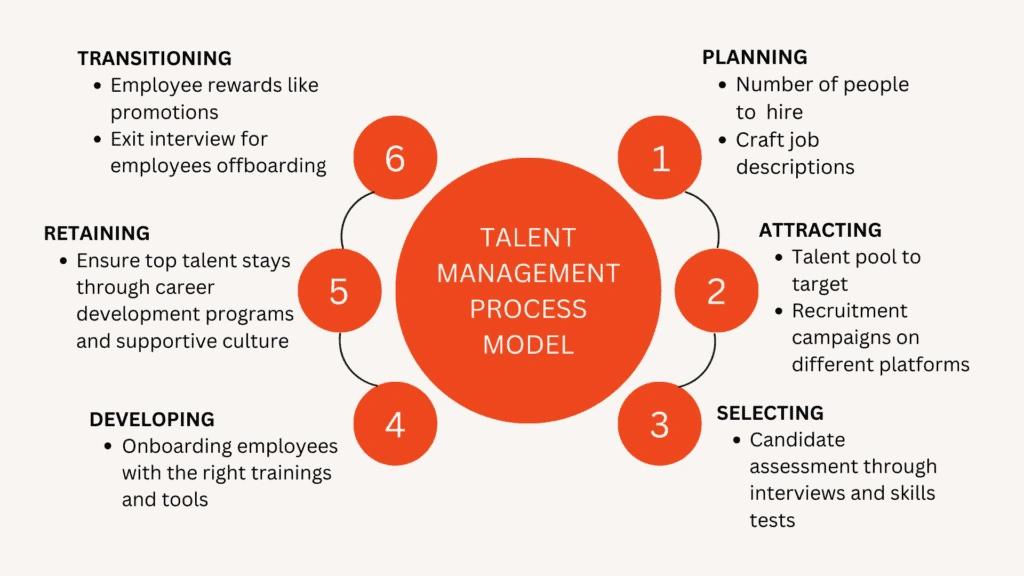
Image Source: Genius
A talent assessment framework forms the foundations of modern recruitment strategies. Traditional methods only look at resumes and interviews. This framework gives a systematic, well-laid-out way to assess candidates' potential, competencies, and fit for specific roles.
Definition and purpose
The talent assessment framework is an all-encompassing system that assesses an individual's skills, knowledge, abilities, and personal traits (KSAPs) systematically. Organizations can make better decisions about hiring, development, succession planning, and internal mobility with this structured method.
The main goals of this framework are to:
- Give objective data about candidates' capabilities and potential
- Create upskilling and career development plans
- Spot training needs and growth opportunities
- Make better decisions about promotions and job assignments
- Support succession planning
- Boost overall performance management
The framework includes several key parts that work together to create a detailed evaluation system:
- Competency Models - These define the specific skills, knowledge, abilities, and behaviors needed to succeed in particular roles
- Assessment Methods - The tools and techniques used to assess candidates against competencies
- Feedback Processes - Systems that give constructive information to candidates about their performance
This approach will give a fair and consistent assessment of all candidates. It uses standard criteria that line up with organizational goals. A properly implemented talent assessment framework can transform an organization and create new opportunities for growth.
How it is different from traditional hiring methods
Traditional hiring depends heavily on resumes, unstructured interviews, and hiring managers' gut feelings. These methods often fail to predict actual job performance and can add significant bias to the process.
Talent assessments offer clear advantages over old-school approaches:
Talent assessments provide objective data instead of subjective impressions. Candidates get evaluated based on standard criteria, which reduces personal bias and makes the process fairer. This objectivity creates a level playing field, especially for candidates from non-traditional backgrounds.
These assessments focus on real-life skills and behaviors rather than just past experiences. Organizations learn about each candidate's capabilities through cognitive ability tests, personality assessments, skills tests, and job simulations.
The assessments link strongly to actual job outcomes. A candidate who does well in a job simulation has better chances of succeeding in the actual role. Organizations can make data-driven hiring decisions instead of relying on assumptions.
Organizations can customize assessments to match their unique competencies, values, and expectations. Most competency assessment tools use standard rubrics or AI to assess performance. This reduces random hiring decisions based on gut feel.
A well-laid-out talent assessment framework turns hiring into a science-backed strategy. It leads to better hiring accuracy, employee retention, and organizational performance.
See How Smart Skill Assessments Work
Try a simple, structured way to evaluate candidates with more accuracy and less bias.
Request a DemoBenefits of Using Talent Assessments
"Nothing we do is more important than hiring and developing people. At the end of the day, you bet on people, not on strategies." — Lawrence Bossidy, Former CEO of Honeywell International
Talent assessments turn recruitment from guesswork into a competitive edge for organizations building exceptional teams. The evidence-based results they provide are a great way to get benefits that go way beyond the reach and influence of the first hiring decision.
Improved hiring accuracy
Skills assessments make hiring decisions better when companies use them properly. In fact, 78% of HR professionals say these assessments have led to better quality hires. We improved our success rate because assessments measure skills that predict actual performance instead of just looking at resumes or interviews. Recruiters can now compare candidates using real data from assessment tools, which takes away much of the traditional hiring guesswork. Psychometric assessments help predict long-term success by looking at soft skills. LinkedIn data shows that 89% of hiring failures happen when these soft skills are missing.
Reduced bias and increased diversity
Standard assessments cut down unconscious bias in hiring. Companies create a fairer hiring process by looking at job-related criteria rather than gut feelings. This unbiased approach helps companies look past traditional factors like names, looks, or education. Teams become more diverse because assessments focus on skills and potential rather than things that might trigger hidden prejudices. The process brings forward stellar candidates who might get overlooked if we just looked at resumes, which leads to more varied backgrounds and viewpoints in the talent pool.
Better employee retention and satisfaction
Companies using assessment solutions in hiring see a notable 60% decrease in employee turnover. This happens because people end up in roles where they naturally do well. Employees who match their positions well:
- Feel more satisfied and involved in their work
- Build stronger bonds with company culture
- Do better work in their roles
Regular feedback based on assessment data keeps people engaged, with research showing that 80% of employees getting meaningful weekly feedback stay fully engaged. This better job fit leads to higher retention and saves money, since replacing employees costs between 90-200% of their yearly salary.
Support for internal mobility and development
Assessment insights do more than just help with hiring. They shape tailored growth plans based on strengths and opportunities, which makes jobs more satisfying. Companies that use assessments to promote internal moves see employees staying longer and more people moving into leadership roles. The data helps find hidden talent - people who might not shine in their current spot but could excel somewhere else in the company. With 60% of returning workers saying they'd leave without internal growth options, assessments are vital tools for career development and keeping talent. So companies become internal talent markets where hiring happens both inside and outside.
Types of Talent Assessments to Include
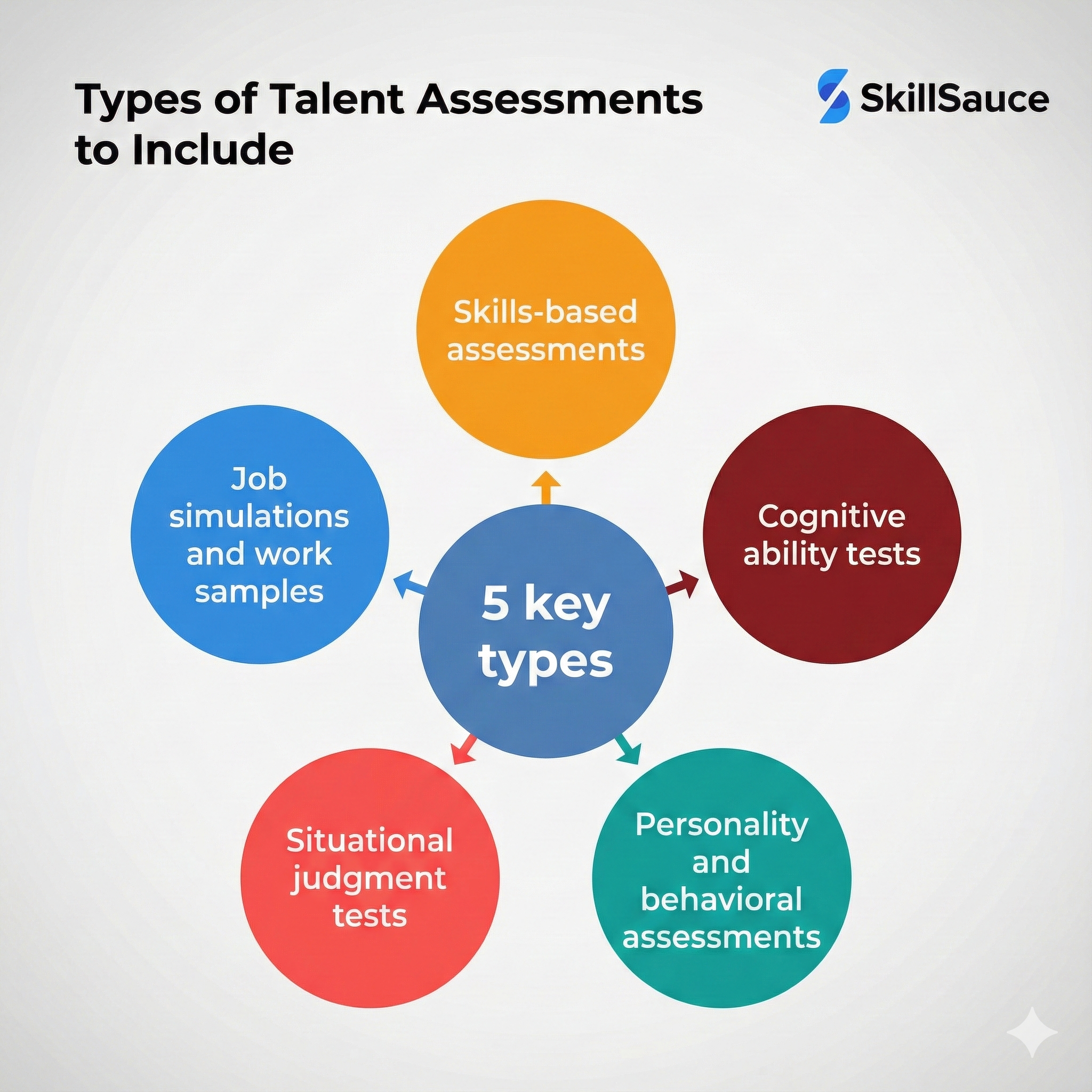
A successful talent assessment framework needs the right mix of evaluation tools. Different assessments give unique insights into what candidates can do. This helps create a detailed evaluation approach.
- Skills-based assessments
Skills-based assessments measure how well candidates can do specific job tasks. These tests review technical skills like programming, data analytics, and writing that lead to success in specific roles. Skills assessments match a candidate's actual abilities to job requirements, unlike traditional qualification-based hiring. This gives a better picture of future performance. The results speak for themselves - 81% of organizations have changed to skills-based hiring. Even better, 94% say these hires do better than those picked through traditional methods.
Cognitive ability tests look at how people think, reason, perceive, remember and solve problems. They measure how well candidates process information and pick up new concepts. These tests come in three main types: verbal intelligence for language reasoning, numerical intelligence for math skills, and nonverbal intelligence for visual processing. Harvard Business Review shows that general cognitive ability beats interviews and experience screening as a reliable way to predict job success.
- Personality and behavioral assessments
Personality assessments look at traits, values, and behaviors that affect work performance. Many tests use proven frameworks like the Big Five (OCEAN) model. This measures openness, conscientiousness, extraversion, agreeableness, and neuroticism. Organizations learn how candidates might handle stress, deal with uncertainty, and work with teams. Gallup research shows an interesting trend - managers hire based on skills but fire due to behavioral issues. This makes behavioral assessment vital.
Situational judgment tests (SJTs) show candidates workplace scenarios and ask for their response. They check skills in areas like conflict management, people skills, and problem-solving. These tests are great for measuring leadership abilities. You get to see how candidates make decisions and handle real-life challenges.
- Job simulations and work samples
Job simulations ask candidates to do tasks similar to actual job duties. Examples include coding challenges, design briefs, or practice customer interactions. Simulations show how candidates use their knowledge in realistic settings. This method gives the best picture of job performance because it shows practical skills rather than just book knowledge.
Step-by-Step Guide to Building a Talent Assessment Framework
Image Source: Infografolio
A talent assessment strategy needs a step-by-step approach to work. Let's get into the steps you need to build a framework that delivers consistent results.
1. Define your hiring goals and success metrics
Your organization needs a clear picture of what successful hiring means. The core team should work together to set clear objectives that arrange with your business goals. This step includes:
- Setting significant success metrics for each role
- Making detailed task lists and functions
- Mapping out role-specific duties and key performance indicators
- Listing specific skills that lead to success
These objectives are the foundations of your talent assessment strategy. Every review must match what your organization needs.
2. Run a job analysis to spot key competencies
You need a full picture of what each position requires before starting assessments. This systematic approach needs you to:
- Look at current job descriptions
- Watch top performers in similar roles
- Ask subject matter experts
- Break down essential tasks and responsibilities
A solid job analysis helps you find the right mix of knowledge, skills, abilities, and traits needed to succeed. The process starts by identifying tasks workers do and then figures out what competencies they need.
3. Pick the right assessment methods
After defining competencies, you'll need assessment tools that measure them accurately. Think over using a mix of:
- Cognitive assessments to measure mental abilities
- Personality tests to review relevant traits
- Skill-based tests for technical know-how
- Situational judgment tests for decision-making skills
- Work samples that mirror real job tasks
Your assessment methods should directly tie back to the job requirements you found during analysis.
4. Make expectations crystal clear
Candidates deserve transparency throughout the assessment process. They should know:
- Which skills you're testing and why
- How you'll use their results
- What skill levels the job needs
A clear explanation helps candidates do their best and makes your employer brand stronger.
5. Keep assessments fair
Your assessment process needs standardization and fairness:
- Create clear scoring guides for consistent evaluation
- Remove bias with structured procedures
- Give all candidates equal chances to show their skills
- Provide accessibility support when needed
Fair assessments improve accuracy and show your steadfast dedication to equitable hiring.
How to Analyze and Use Assessment Results
"The goal is to turn data into information, and information into insight." — Carly Fiorina, Former CEO of Hewlett-Packard and politician
Assessment data becomes a powerful tool that helps make informed talent decisions after collection. Success depends on systematic analysis and strategic application of results throughout the employee lifecycle.
Standardizing scoring and evaluation
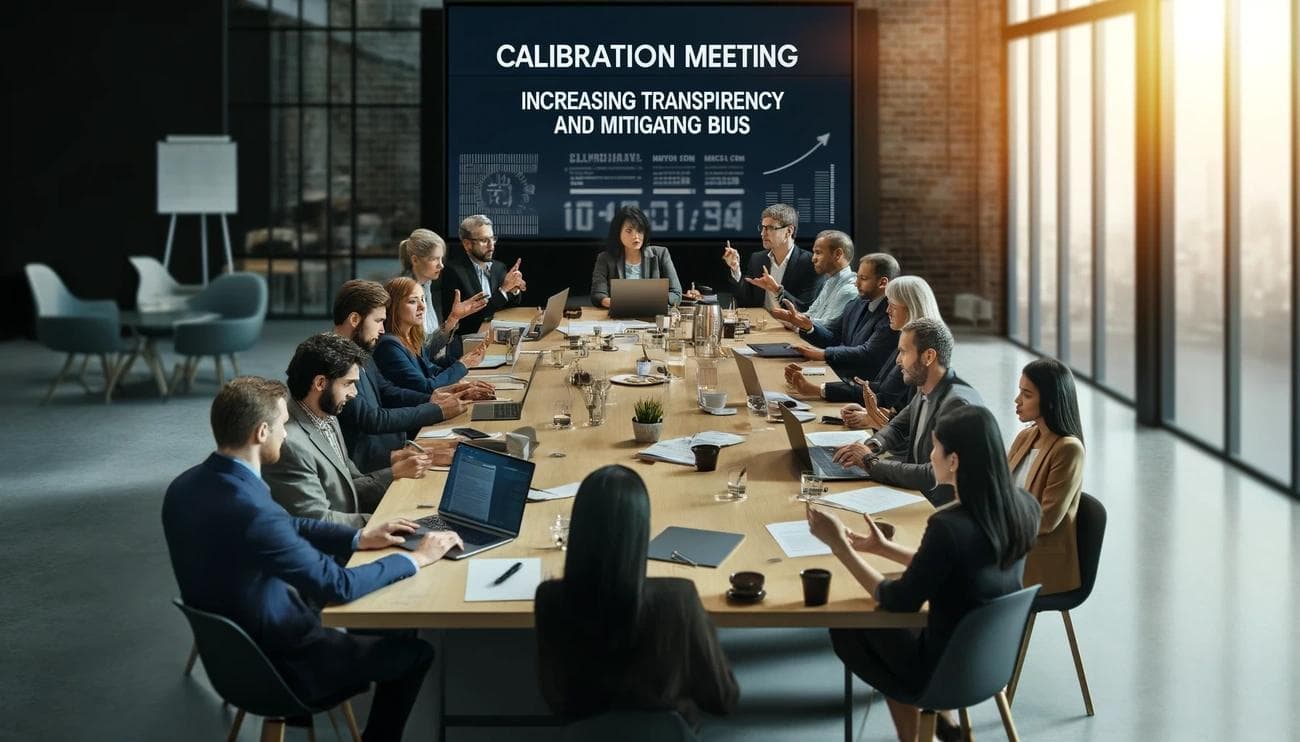
The analysis process starts with consistent evaluation methods. A standardized scoring rubric should outline how teams will review each question or task. This method turns subjective impressions into measurable data and lets hiring teams compare candidates objectively. The evaluation team needs proper training to spot and reduce unconscious bias, which will give fairness to the entire process.
Shortlisting candidates objectively
Teams can compare applicants side-by-side on important metrics using scoring benchmarks. AI-powered tools now help many organizations analyze candidate responses faster and more consistently than human reviewers alone. These systems create complete candidate profiles based on objective data rather than gut feelings or partial information.
Providing feedback to candidates
The data shows that 52% of candidates are more likely to reapply to companies that give timely, constructive feedback. Teams should mix positive observations with improvement areas when sharing assessment insights. This transparent approach shows respect and builds a stronger employer brand.
Using results for onboarding and development
Assessment insights serve beyond hiring decisions. Gallup reports only 29% of new hires feel fully prepared after onboarding. Teams can make use of information from behavioral assessments to create tailored development plans. These plans build on strengths and address growth areas, which substantially improves employee engagement and retention.
Conclusion
A complete talent assessment framework reshapes the hiring process from a subjective exercise into a strategic advantage. This piece shows how structured assessments provide objective data that substantially improves hiring decisions and reduces bias.
Without doubt, talent assessments bring multiple benefits beyond the original hiring. The numbers speak for themselves - 78% improvement in hiring quality, 60% decrease in turnover, and boosted diversity show their substantial effect on organizational success. On top of that, these frameworks support internal mobility and development. They create pathways for existing employees to grow within your organization.
Different evaluation methods serve distinct purposes as you develop your assessment strategy. Skills-based assessments measure practical abilities, while cognitive tests review thinking processes. Personality assessments get into behavioral tendencies, situational judgment tests gage decision-making, and job simulations predict real-life performance. The right mix of these tools creates a complete picture of each candidate.
The step-by-step approach in this piece helps you build a framework that fits your organization's needs. Define clear hiring goals first. Then conduct thorough job analyzes, select appropriate assessment methods, set transparent expectations, and administer evaluations fairly.
Assessment data becomes truly valuable through systematic analysis and application throughout the employee lifecycle. Standardized scoring, objective shortlisting, constructive feedback, and tailored onboarding plans turn assessment insights into tangible business results.
A well-designed talent assessment framework paves the way to better hiring decisions. This knowledge empowers you to implement these strategies and find candidates who possess the right skills and thrive in your organization's unique culture. Your investment in assessment tools today will yield stronger teams and better business outcomes tomorrow.
Ready to Improve Hiring Outcomes?
Implement structured talent assessments and make data-driven hiring decisions with confidence.
Contact UsKey Takeaways
Building an effective talent assessment framework transforms hiring from guesswork into a strategic advantage that drives measurable business results.
- Define clear success metrics first - Conduct thorough job analysis to identify key competencies before selecting assessment tools
- Combine multiple assessment types - Use skills tests, cognitive assessments, personality evaluations, and job simulations for comprehensive candidate evaluation
- Standardize scoring and evaluation - Implement objective rubrics and structured processes to eliminate bias and ensure fair comparisons
- Extend beyond hiring decisions - Leverage assessment data for onboarding, development planning, and internal mobility to maximize ROI
- Focus on predictive validity - Choose assessments that directly measure job-relevant competencies rather than traditional qualifications alone
Organizations using structured talent assessments report 78% improved hiring quality, 60% reduced turnover, and significantly enhanced workforce diversity. The key is moving from subjective "gut feelings" to data-driven decisions that predict actual job performance and cultural fit.
Talent Assessment Framework FAQs
What are the key components of a talent assessment framework?
A talent assessment framework includes competency models, skills tests, cognitive assessments, personality evaluations, and structured feedback processes.
How does it differ from traditional hiring?
Traditional hiring relies on resumes and subjective interviews. A talent framework uses skills and behavioral data for objective evaluation.
What are the benefits of using a talent assessment framework?
Improved hiring accuracy, reduced bias, stronger job-performance match, and better retention.
What types of assessments should be included?
Skills tests, cognitive ability tests, personality tests, situational judgment tests, and job simulations.
How can assessment results be used beyond hiring?
For onboarding, employee development, internal mobility, and succession planning.