

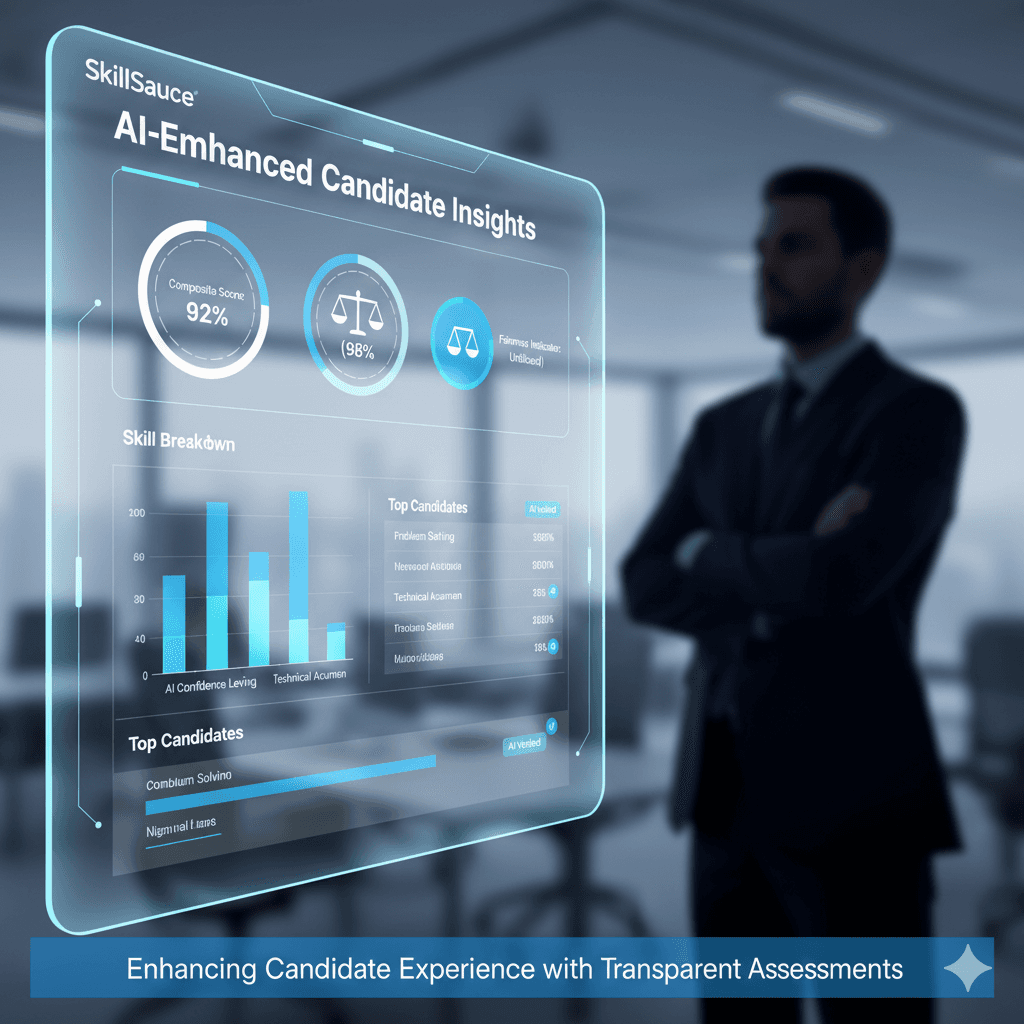
Pre-employment assessments are a powerful tool when designed for transparency, relevance, and fairness. This guide shows how to craft tests that improve candidate experience, reduce bias, and support data-driven recruitment. It also weaves in industry benchmarks, case studies, and practical steps you can apply today.
Why Candidate Experience Matters in Pre-Employment Assessments
The candidate experience is a competitive differentiator. When tests feel fair and purposeful, candidates stay engaged, perform to their potential, and view your organization more positively. Clear expectations, reasonable timelines, and transparent scoring help reduce anxiety and improve completion rates.
A bias-free hiring process starts with how assessments are introduced. If candidates understand the task purpose and see a fair scoring rubric, they’re more likely to trust the process and remain motivated through the screening stage. Industry voices show that candidate experience correlates with higher acceptance rates and stronger post-hire outcomes.
For evidence and context, consider insights from leading sources on fairness, candidate experience, and hiring metrics. See analyses from Criteria Corp on candidate experience and Recruitics on quality of hire to understand the measurable impact of transparent testing.
In parallel, Perplexity AI’s synthesis of diverse research sources highlights that aligning assessments with business goals yields stronger ramp, better performance, and more predictable hiring results. Learn more about cross-source insights at Perplexity AI.
To explore practical examples or start implementing a transparent assessment strategy, visit SkillSauce Resources or Features and see how an Assessment Library and AI Proctoring can support a bias-aware, data-driven workflow.
Designing Relevant Pre-Employment Tests
Relevance means tests reflect real work. Map each role to a concise set of core skills and craft tasks that simulate day-to-day decisions. When tests mirror actual responsibilities, candidates see value and merit in the process, and hiring teams receive signal-rich data.
Practical steps to ensure relevance and fairness:
- Conduct formal job-task analyses to identify must-have skills.
- Develop work-sample tasks that mimic real job assignments.
- Use a public rubric that explains how scores map to performance expectations.
- Provide accommodations and accessible formats to ensure equal opportunity for all candidates.
The ability to cut through noise in screening is reinforced by cost-and-efficiency gains reported by practitioners. Elevatus shares how structured tests reduce hiring costs, while TestGorilla and others emphasize measuring success to validate the impact of tests.
Transparency in Communication: What to Share with Candidates
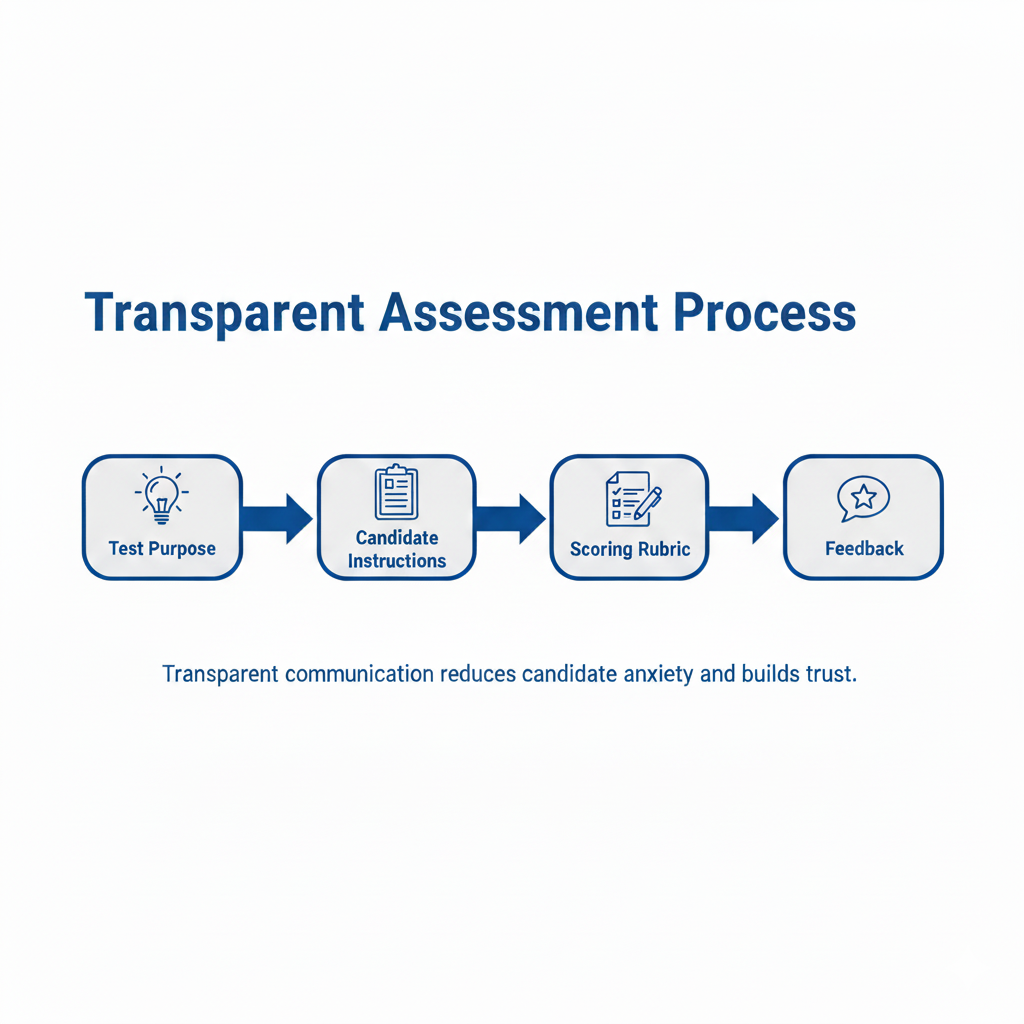
Transparency reduces uncertainty and builds trust. Share the purpose of each assessment, the specific tasks, the scoring rubric, the decision-making process, and approximate timelines. When candidates see how results are used to inform hiring decisions, they are more likely to stay engaged and perform at their best.
Helpful communication practices include publishing: the skills tested, task formats, estimated time to complete, feedback options, and the path to improvement. Pair these with a clear statement about accommodations and accessibility. This aligns with best practices from recruiters and HR researchers who emphasize visibility into the hiring process.
For reference, SHRM’s guidance on ADA accommodations and inclusive testing provides practical guardrails for accessible assessment design. See SHRM ADA accommodations.
As part of a data-driven recruitment approach, publish how test results feed into decisions, what success looks like, and how feedback is delivered. This reduces ambiguity and helps candidates interpret outcomes fairly.
Bias-Free Hiring: Guardrails in Assessment Design
A bias-free process starts with diverse item development, independent scoring, and ongoing validation. Guardrails prevent adverse impact and ensure that assessments measure capabilities rather than background alone. ADA-compliant accommodations and accessible design are essential for maximizing participation and fairness.
Practical governance includes regular item reviews, demographic-impact analyses, and pre-approval of test content. When bias is detected, revise or replace items and revalidate scoring. These steps support a bias-aware, data-driven approach to recruitment.
Data-Driven Recruitment: Metrics that Matter
A data-driven approach uses measurable metrics to drive improvement in pre-employment assessments and the broader screening process. Core indicators include quality of hire, time-to-fill, cost per hire, and candidate experience scores.
Use external benchmarks to contextualize your results. Recruitics’ quality-of-hire analyses and Netsuite’s recruiting dashboards offer practical templates for tracking and communicating progress. See also MetaView’s cost-per-hire insights to understand efficiency gains from structured testing.
Real-world ROI stories reinforce the value of data-driven testing. MyShyft’s ROI-success stories and Eskill’s three-month ROI case study illustrate how targeted assessments translate to faster decisions and stronger early performance. For a broader synthesis of cross-source insights, Perplexity AI aggregates research to help teams benchmark practice against industry norms.
If you’re ready to operationalize, explore SkillSauce Resources and Metrics tools to build dashboards that track candidates through testing and into hiring decisions. See Resources and Features for actionable templates, plus the Assessment Library to standardize tests across teams.
Real-World Evidence: What Works in Practice
The State of the Business Case report highlights how transparent, skill-aligned assessments support stronger business outcomes and lower hiring costs. It provides a practical backdrop for why organizations invest in better pre-employment testing, decision clarity, and governance. Reading this report helps leadership connect testing choices to bottom-line results.
Industry perspectives further illustrate ROI. Elevatus emphasizes cost reductions from structured testing, while Madison Approach surveys the broader trend toward skills-based hiring in 2025. McKinsey’s Right Skills framework, SHRM’s inclusion guidance, and practitioner case studies round out the evidence base. For a cross-source synthesis, Perplexity AI offers a consolidated view of how these threads fit together in real-world hiring ecosystems.
Implementation Checklist: From Theory to Practice
- Conduct a job-task analysis to define core skills for each role.
- Develop transparent assessments with clear rubrics and job relevance.
- Publish the test purpose, duration, and feedback options to candidates.
- Run a pilot, monitor candidate experience, and adjust based on data.
- Scale with governance: accessibility, accommodations, bias monitoring, and stakeholder communication.
To accelerate adoption, leverage SkillSauce’s ecosystem:
AI Interview , and ATS .
FAQs: Transparency, Relevance, and Pre-Employment Assessments
1. What makes a pre-employment assessment transparent?
Clear purpose, published tasks, a public scoring rubric, and a transparent timeline for feedback.
2. How do I ensure tests are relevant?
Base tests on formal job-task analyses that map to real duties and outcomes.
3. How can I improve candidate experience?
Provide upfront information, use accessible formats, and deliver timely, constructive feedback where possible.
4. How is bias prevented in testing?
Use diverse item development, independent scoring, and regular validity checks; offer accommodations per ADA guidelines.
5. What role does data play in recruitment outcomes?
Data guides test design, candidate communications, and decisions, enabling measurable ROI and improved quality of hire.
Ready to elevate candidate experience with transparent, relevant pre-employment assessments?
Explore SkillSauce: Assessment Library • AI Proctoring .